The Greek word, περίπᾰτος,
peripatos, can mean just “walking around”, like for healthy
exercise, but over time it came to mean “walking around and talking
about stuff.” This gives the “Peripatetic Philosophers” their name.
Our Goals: Mostly ignore the big tourist sites; get
out in the country; walk and take boats…
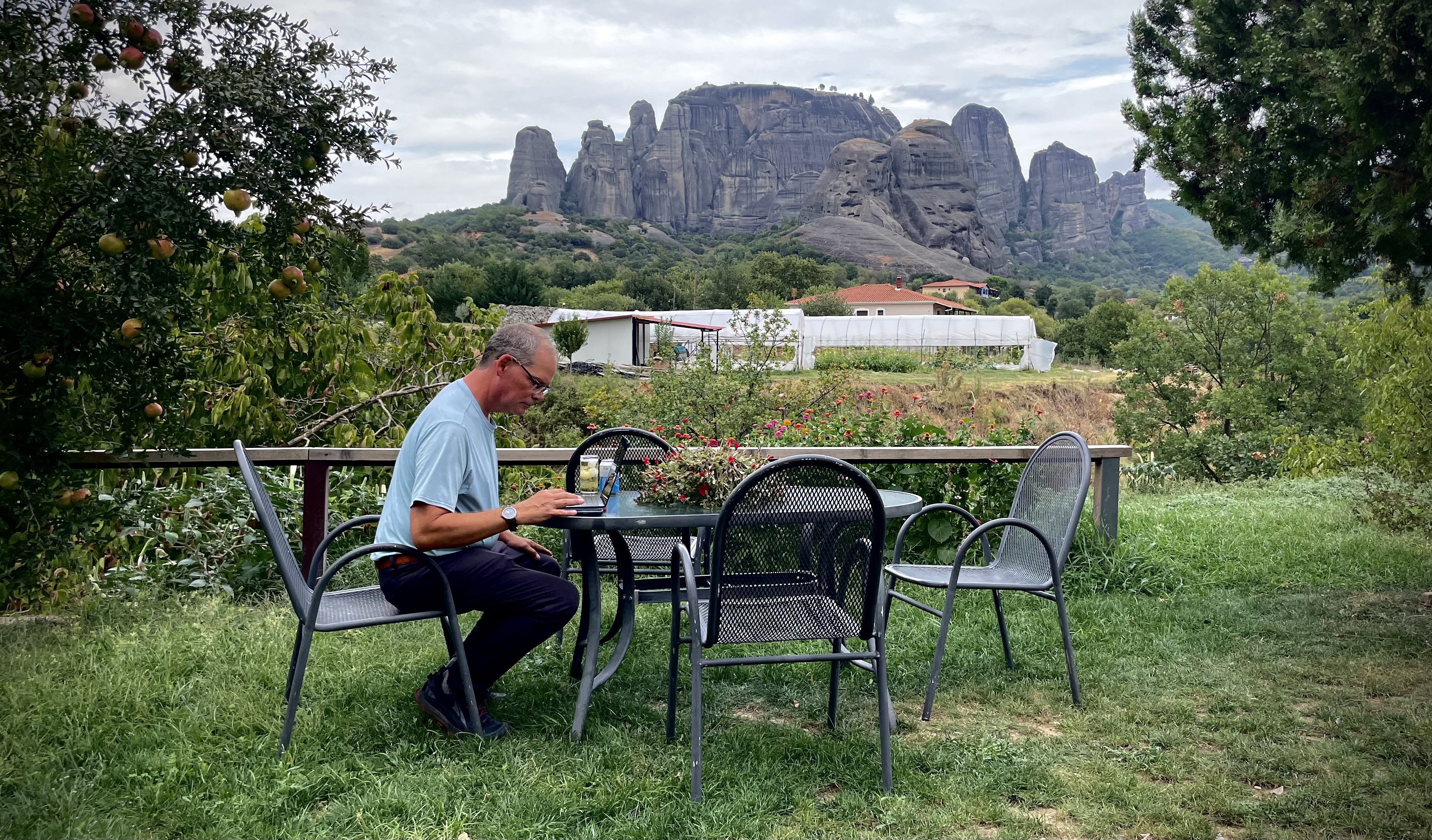
…even when the walking was a little hard
and scary.Trying to get the big picture of
Greece, over the past 3,000 years. What it was like back in the day, and
what it is really like now.
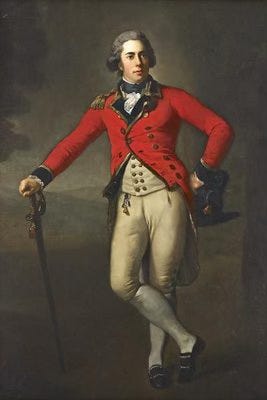
Probably not Thomas Bruce, the 7th Lord
Elgin, who came to Greece in 1802 and removed the sculptures from the
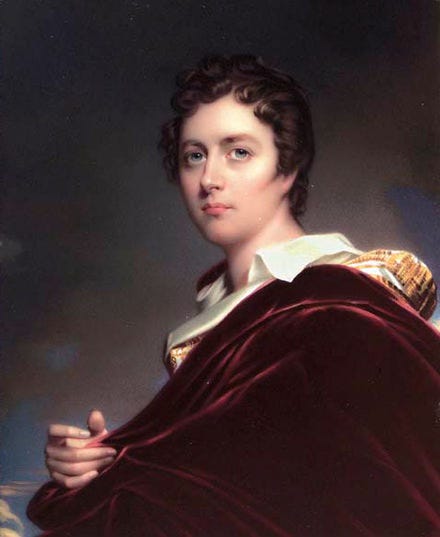
Parthenon to England?Maybe George Gordon Byron, 6th Baron
Byron, who swam the Hellespont.
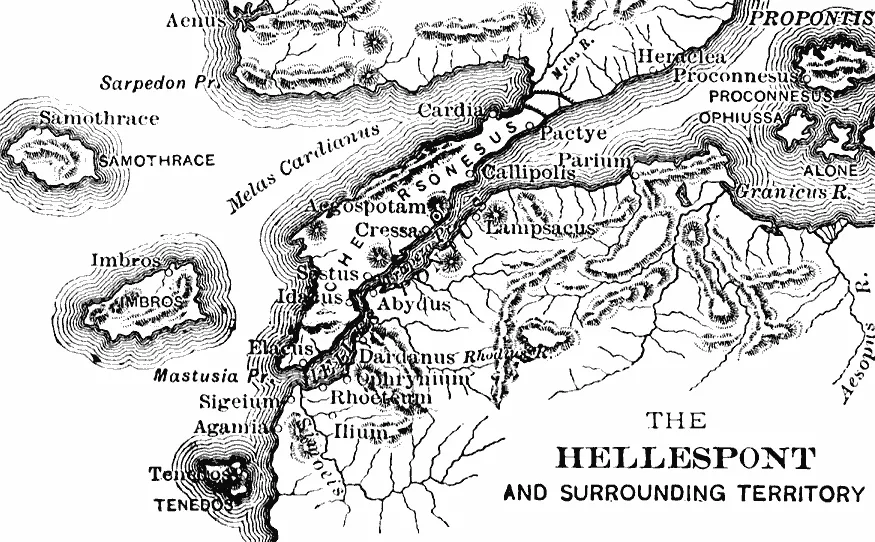
In Greek mythology, Hero, a priestess of Aphrodite, lived in a tower
in Sestos. Every night, her lover, Leander from Abydos, swam across the
Hellespont to see her, guided by a lamp she lit.
On May 3, 1810, Byron reproduced this feat and wrote poem about
it.
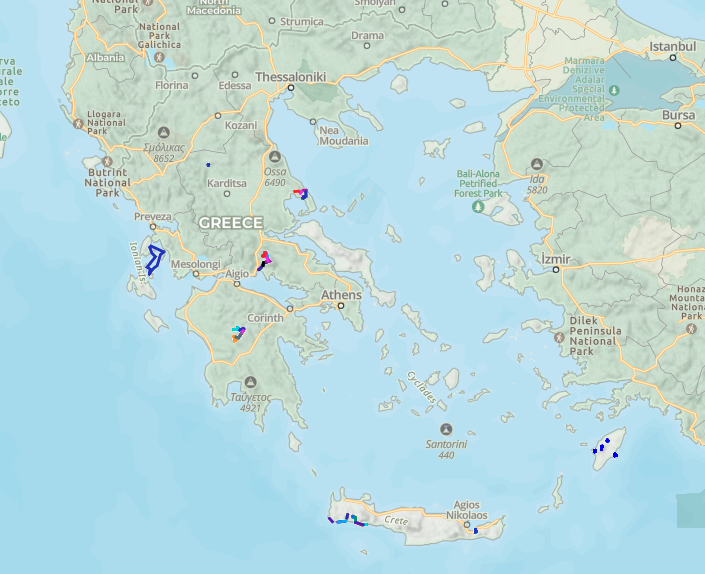
Getting oriented.The Hellespont. Dangerous
currents!Byron died at the Seige of Lepanto in
1824, fighting for Greek independence from the Ottoman
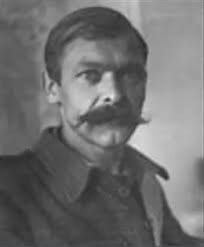
Empire.Also, maybe, Nicholas Geoffrey Lemprière
Hammond, who was the British liason to the Greek underground fighting
the Nazis in World War II. Hammond became a great scholar of ancient
Greek history,The Second World War hit Greece hard.
Every town has a sign like this.We walked around under easier
circumstances.
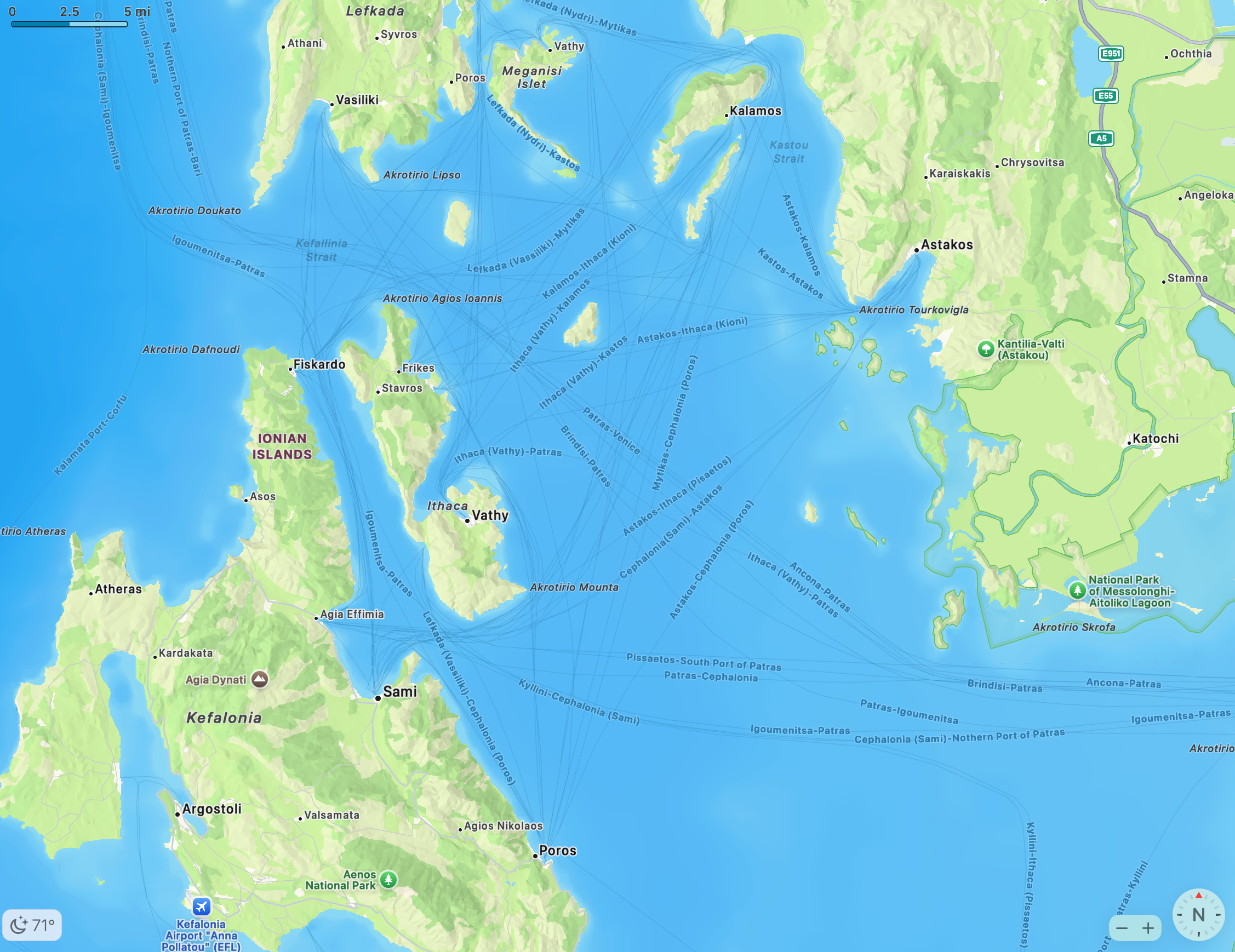
In the Footsteps of Odysseus!
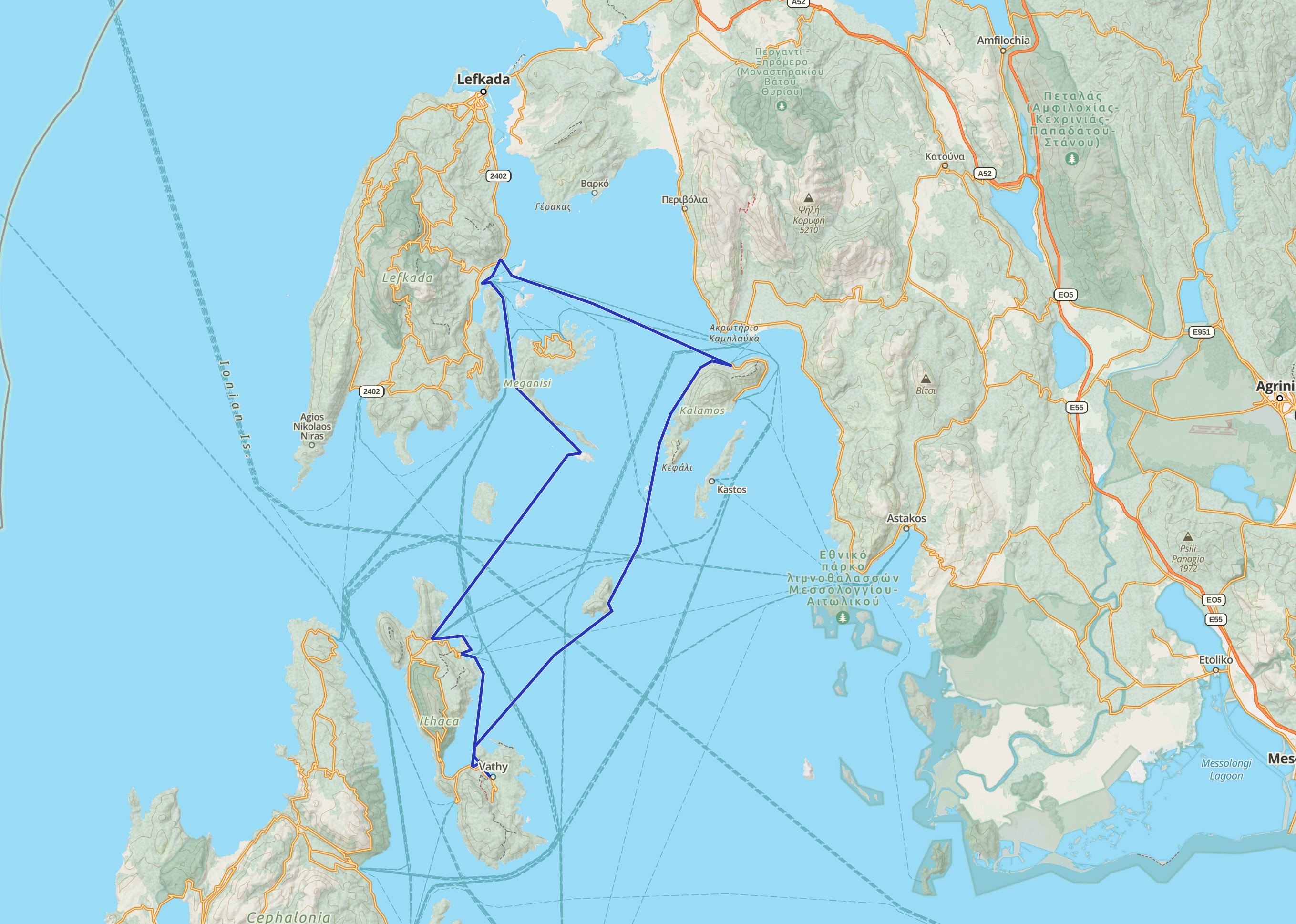
The Islands of Western Greece. (Context)In keeping with our principles of
traveling by foot or boat, we took a boat around.We got a sense for the
coast…
…and a pretty good sense of the Odyssey…
The island of Atokos, between Lefkada and
Ithaca, is overrun with feral pigs. Did Circe live here?The portal to the underworld, very near
the island with the pigs? (The locals believe so!)Tying together some things: Odysseus,
wild boar, and dogs.Amy makes observations from Stemnitsa,
Arcadia in the Peloponnese.Thank you!